
10 February 2026 · Manchester Removals & Storage

Moving Home With YourCat!
Moving house is a big undertaking, and while you’re busy packing boxes and organising logistics, it’s easy to forget a crucial member of the family: your cat. Cats are creatures of habit and routine, so a move can be particularly stressful for them. This guide will walk you through the process, offering tips and advice on how to make the transition as smooth and stress-free as possible for your feline companion.
Before the Big Day: Preparation is Key
The key to a calm cat during a move lies in preparation. Weeks before moving day, start taking steps to acclimate your cat to the upcoming changes:
-
The Carrier is Your Cat’s Sanctuary: If your cat isn’t already comfortable with their carrier, now’s the time to change that. Make it a positive space by placing familiar blankets, toys, and treats inside. Leave the carrier door open so your cat can explore it at their leisure. Regularly offer treats and praise when they’re near or inside it. This will make the carrier a safe haven, not a source of fear, on moving day.
-
Gradual Packing: Don’t suddenly pack everything at once. Start packing gradually, room by room, over several weeks. This prevents your cat from feeling overwhelmed by the sudden change in their environment. Keep their favourite spots and routines as consistent as possible during this time.
-
Familiar Scents: Cats rely heavily on scent. Keep familiar-smelling items around, like their bedding, scratching post, and favourite toys. These will provide comfort and reassurance during the move.
-
Create a Safe Room: As packing progresses, designate one room as a “safe room” where your cat can retreat. This room should be the last one packed and should contain their food, water, litter tray, bed, and favourite toys. This will be their familiar territory amidst the chaos.
-
Talk to Your Vet: Discuss the move with your vet. They may be able to offer additional advice specific to your cat’s personality and health. In some cases, they might recommend calming supplements or medication to help reduce anxiety during the move. For our pet we use MCR Vets in Salford Quays
-
Update Microchip Information: Ensure your cat’s microchip information is up-to-date with your new address and contact details. This is crucial in case they get lost during the move.
Moving Day: Keeping Calm Amidst the Chaos
Moving day can be chaotic and stressful for everyone, especially your cat. Here’s how to minimise their anxiety:
-
Keep Your Cat in the Safe Room: On moving day, keep your cat securely in their designated safe room until the very last minute. This will protect them from the commotion and keep them from getting underfoot.
-
Prepare the Carrier: Line the carrier with a familiar-smelling blanket or towel. Place a favourite toy inside to provide comfort.
-
Handle with Care: When it’s time to move your cat, approach them calmly and gently. Speak in a soothing voice and avoid sudden movements.
-
Secure the Carrier: Ensure the carrier is securely fastened in your vehicle. Place it where it won’t slide around or be jostled during the drive.
-
Minimise Travel Stress: If the journey is long, plan for breaks to allow your cat to stretch their legs and use the litter tray. Offer water and small treats to keep them hydrated and comfortable.
After the Move: Settling into the New Home
Once you arrive at your new home, your cat will likely be feeling disoriented and anxious. Here’s how to help them adjust:
-
Set Up the Safe Room First: Before unpacking anything else, set up your cat’s safe room in your new home. This should be the first room you unpack and should contain all their familiar belongings: food, water, litter tray, bed, scratching post, and toys.
-
Keep Them Confined Initially: Keep your cat confined to the safe room for the first few days, or until they seem comfortable and confident. This allows them to adjust to the new smells and sounds of their surroundings gradually.
-
Explore at Their Pace: Allow your cat to explore the rest of the house at their own pace. Don’t force them to venture out. Open the door to the safe room and let them decide when they’re ready to explore.
-
Maintain Routine: As much as possible, maintain your cat’s regular routine in the new home. Feed them at the same times, play with them as usual, and provide plenty of attention and affection.
-
Provide Extra Reassurance: Your cat may be more clingy or anxious during this time. Offer extra cuddles, playtime, and reassurance to help them feel safe and secure.
-
Feliway Diffusers: Consider using Feliway diffusers in your new home. These diffusers release synthetic pheromones that mimic the natural scents of cats, which can have a calming effect.
-
Be Patient: It can take days, weeks, or even months for your cat to fully adjust to their new home. Be patient and understanding, and continue to provide them with love, support, and reassurance.
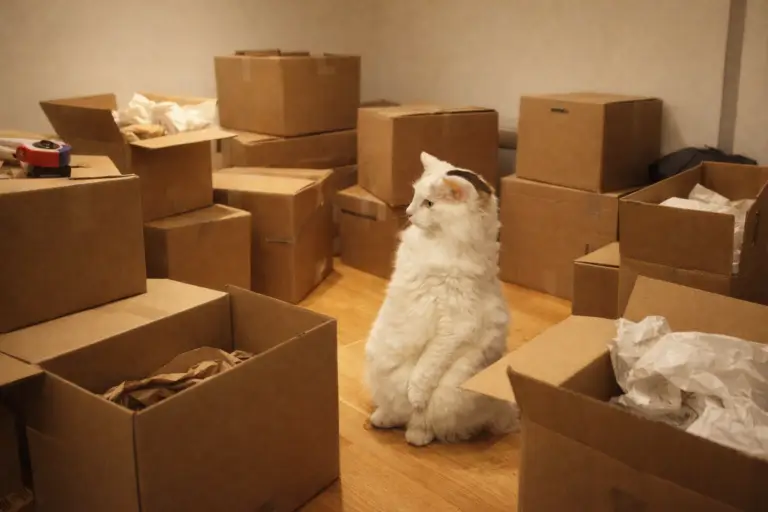
Signs of Stress in Cats:
It’s essential to be aware of the signs of stress in cats so you can address them promptly. Common signs include:
-
Hiding or withdrawing
-
Changes in appetite
-
Excessive grooming or lack of grooming
-
Increased vocalisation (meowing, hissing)
-
Litter tray avoidance
-
Aggression or irritability
-
Changes in sleep patterns
If you notice any of these signs, consult your vet for advice.
Moving with a cat requires careful planning and patience. By following these tips and understanding your cat’s needs, you can help them navigate the transition smoothly and ensure a happy and healthy move for your furry friend. Remember, a little extra effort now will pay off in the long run, creating a comfortable and loving home for both you and your cat.
Planning a move with cat? 🐱🐾 Choose a removals company that understands your whole home, not just your belongings. At Manchester Removals and Storage, we take the time to make your move as calm and stress-free as possible for you and your pets, with careful planning, experienced staff, and a genuine focus on what matters most. 🏡✨Get in touch today to discuss your move and see how we can help you move the right way. 📦🚚