
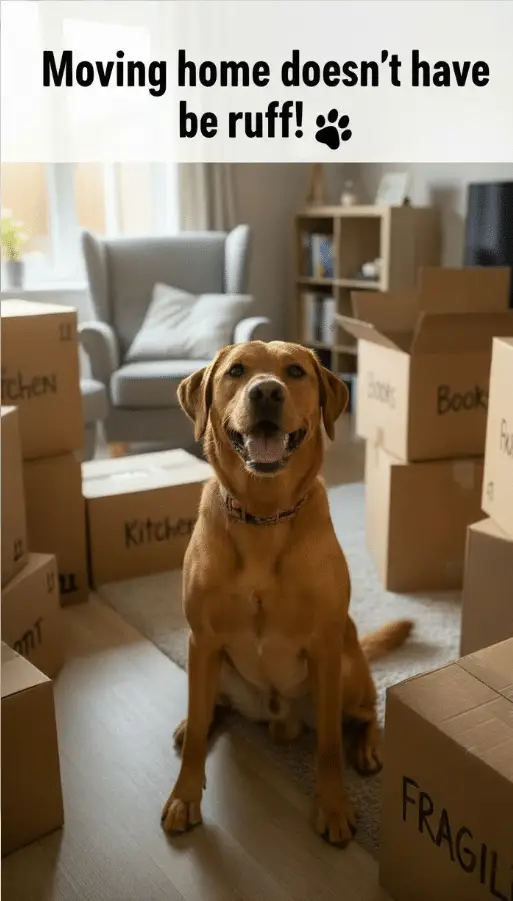
Moving Home With Your Dog!
Moving house is a significant event for the whole family, and that includes your dog. Just like humans, dogs can experience stress and anxiety when their familiar environment is disrupted. This guide will walk you through the process of moving with your dog, offering practical tips and advice to ensure a smooth and stress-free transition for your furry friend.
Before the Big Day: Preparation is Paw-amount
Planning ahead is crucial for a stress-free move with your dog. Weeks before the actual moving day, start preparing your canine companion for the change:
-
- Visit the New Neighbourhood: If possible, take your dog for walks in the new neighbourhood before the move. This allows them to become familiar with the new sights, sounds, and smells, reducing their anxiety on moving day. Explore local parks and walking trails together.
-
- Pack Gradually: Don’t pack everything at once. Start packing gradually, room by room, over several weeks. This prevents your dog from feeling overwhelmed by the sudden disappearance of familiar items. Keep their favourite toys, bedding, and food bowls accessible.
-
- Maintain Routine: Stick to your dog’s regular routine as much as possible during the packing process. Feed them at the same times, take them for walks at the usual times, and maintain their regular playtime. Consistency is key to reducing their anxiety.
-
- Create a Safe Space: Designate a quiet area or room where your dog can retreat when things get hectic. This could be their crate, bed, or a quiet corner. Make sure this space is filled with their favourite toys and blankets to provide comfort and security.
-
- Update Pet Information: Ensure your dog’s microchip information is up-to-date with your new address and contact details. This is crucial in case they get lost during the move. Also, update their collar tag with your new address.
-
- Talk to Your Vet: Discuss the move with your vet. They may be able to offer additional advice specific to your dog’s personality and health. In some cases, they might recommend calming supplements or medication to help reduce anxiety during the move. For our dog we use MCR Vets in Salford Quays
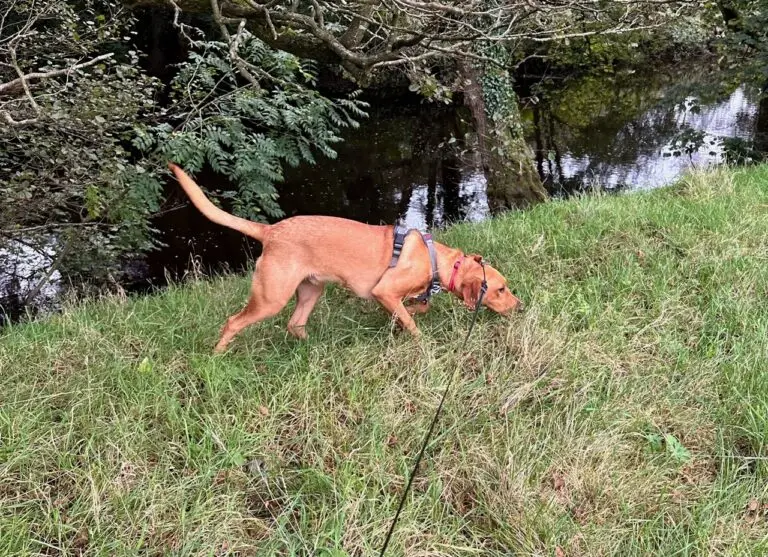
Moving Day: Keeping Calm in the Chaos
Moving day can be chaotic and stressful for everyone, including your dog. Here’s how to minimise their anxiety:
-
- Keep Your Dog Secure: On moving day, keep your dog securely in their designated safe space until the very last minute. This will protect them from the commotion and prevent them from getting underfoot. Consider boarding them for the day if the move is particularly complex.
-
- Travel Arrangements: If you’re driving to your new home, make sure your dog is comfortable and secure in the car. Use a dog crate or harness to prevent them from moving around freely. Pack their favourite travel blanket and toys.
-
- Frequent Breaks: If the journey is long, plan for frequent breaks to allow your dog to stretch their legs, drink water, and relieve themselves.
-
- Food and Water: Pack plenty of fresh water and your dog’s regular food for the journey and the first few days in your new home.
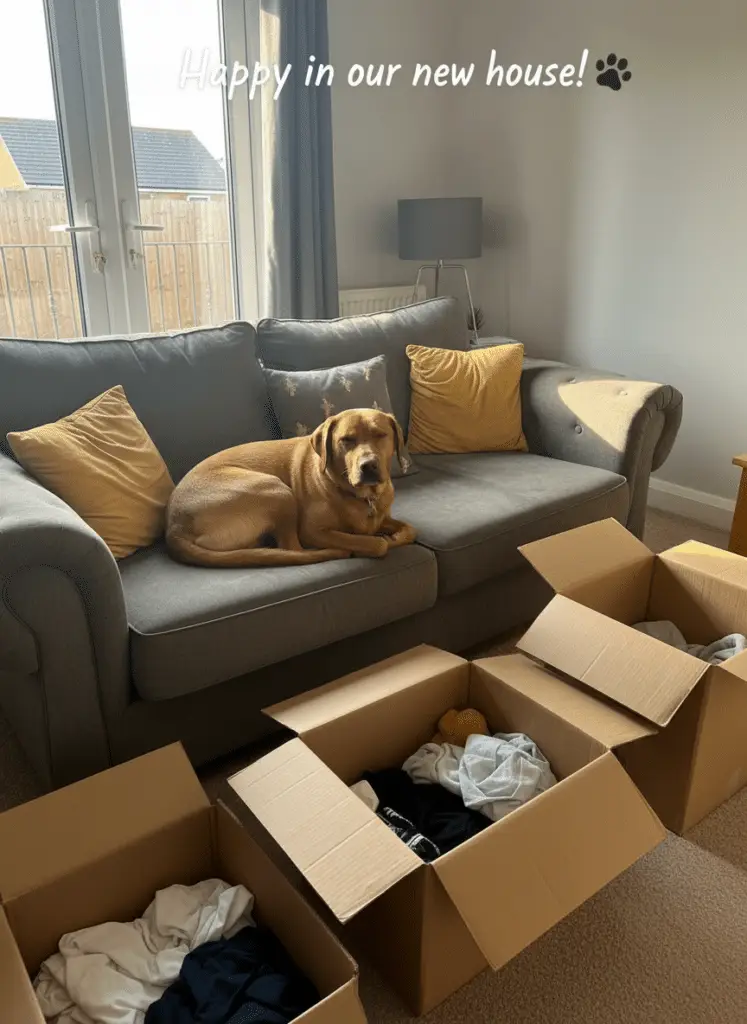
After the Move: Settling into the New Home
Once you arrive at your new home, your dog will likely be feeling disoriented and anxious. Here’s how to help them adjust:
-
- Set Up Their Space First: Before unpacking anything else, set up your dog’s safe space in your new home. This should be the first area you unpack and should contain all their familiar belongings: food and water bowls, bed, toys, and any other items that provide comfort.
-
- Controlled Exploration: Allow your dog to explore the rest of the house gradually, under your supervision. Keep them on a lead initially to prevent them from getting overwhelmed or escaping.
-
- Maintain Routine: As much as possible, maintain your dog’s regular routine in the new home. Feed them at the same times, take them for walks at the usual times, and continue with their regular playtime.
-
- Positive Reinforcement: Use positive reinforcement, such as treats and praise, to reward your dog for calm behaviour in their new environment.
-
- Explore the Neighbourhood: Take your dog for walks around the new neighbourhood to help them become familiar with the area. Introduce them to new smells and sights gradually.
-
- Be Patient: It can take days, weeks, or even months for your dog to fully adjust to their new home. Be patient and understanding, and continue to provide them with love, support, and reassurance.
Signs of Stress in Dogs:
It’s important to be aware of the signs of stress in dogs so you can address them promptly. Common signs include:
-
- Excessive barking or whining
-
- Pacing or restlessness
-
- Hiding or withdrawing
-
- Changes in appetite
-
- Destructive behaviour
-
- Trembling or shaking
-
- Excessive licking or grooming
If you notice any of these signs, consult your vet for advice.
Moving with a dog requires careful planning and patience. By following these tips and understanding your dog’s needs, you can help them navigate the transition smoothly and ensure a happy and healthy move for your furry friend. Remember, a little extra effort now will pay off in the long run, creating a comfortable and loving home for both you and your canine companion.
Planning a move with a dog? 🐶🐾 Choose a removals company that understands your whole home—not just your belongings. At Manchester Removals and Storage, we take the time to make your move as calm and stress-free as possible for you and your pets, with careful planning, experienced staff, and a genuine focus on what matters most. 🏡✨ Get in touch today to discuss your move and see how we can help you move the right way. 📦🚚